
Did you know that smaller backyard pools, especially plunge pools, have seen a significant rise in popularity in recent years due to limited space and rising maintenance costs? Homeowners today are looking for smarter, more efficient ways to enjoy an outdoor pool without the burden of high upkeep—making this comparison more relevant than ever.
Choosing between a plunge pool and a traditional outdoor pool can feel overwhelming, especially when both offer unique benefits. The right choice depends on your space, lifestyle, budget, and how you plan to use your pool. This guide breaks it down in a simple, practical way to help you decide what fits your needs best.
What Is a Plunge Pool?
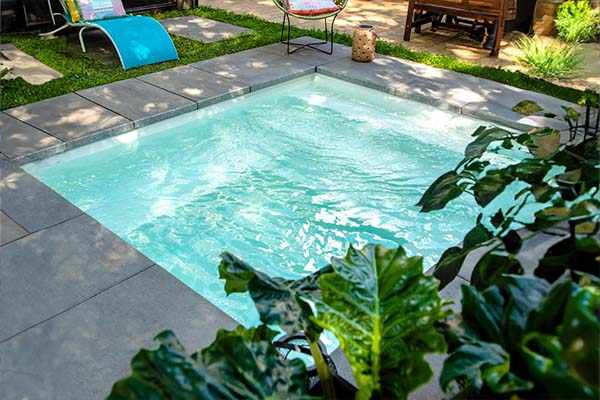
A plunge pool is a small, compact pool designed primarily for relaxation rather than swimming laps. It’s usually deeper than it is wide and often includes features like built-in seating, jets, or even temperature control.
Key Features:
Compact size (perfect for small backyards)
Can be heated or cooled
Often includes hydrotherapy jets
Lower water capacity
Plunge pools are ideal if you want a stylish and functional outdoor pool without taking up too much space.
What Is a Traditional Pool?
A traditional outdoor pool is what most people imagine—a larger pool designed for swimming, playing, and entertaining. These pools come in various shapes and sizes, from rectangular lap pools to freeform designs.
Key Features:
Larger size for swimming and activities
More design flexibility
Suitable for families and gatherings
Can include diving boards, slides, and more
Traditional pools are perfect if your priority is recreation, exercise, or hosting guests.
Size and Space Requirements
Plunge Pool:
Ideal for small or compact yards
Fits easily into urban homes
Can even be installed indoors or on rooftops
Traditional Pool:
Requires a larger backyard
Needs more planning and zoning approvals
Best suited for spacious properties
If space is limited, a plunge pool is often the smarter and more practical choice.
Installation Cost Comparison
Budget plays a major role when choosing an outdoor pool.
Plunge Pool Costs:
Lower installation cost
Less excavation and materials required
Faster construction time
Traditional Pool Costs:
Higher upfront investment
More labor and materials needed
Additional costs for landscaping and features
Quick Insight:
If you’re working within a budget, a plunge pool offers a cost-effective alternative without sacrificing comfort.
Maintenance and Upkeep
Maintenance is one of the biggest long-term considerations.
Plunge Pool:
Uses less water
Requires fewer chemicals
Easier and quicker to clean
Traditional Pool:
Higher water usage
More chemicals needed
Regular cleaning and maintenance required
A plunge pool is much easier to manage, especially for busy homeowners.
Functionality and Usage
Think about how you plan to use your outdoor pool.
Plunge Pool Is Best For:
Relaxation and cooling off
Hydrotherapy and stress relief
Quick dips during hot weather
Traditional Pool Is Best For:
Swimming laps
Playing games with family
Hosting parties and gatherings
If your goal is relaxation, a plunge pool is perfect. If you want activity and entertainment, go for a traditional pool.
Energy Efficiency
Energy consumption is another important factor.
Plunge Pool:
Heats up faster
Requires less energy
More eco-friendly
Traditional Pool:
Takes longer to heat
Higher energy bills
Larger filtration systems
Plunge pools are a better choice for those who want an energy-efficient outdoor pool solution.
Design and Aesthetic Appeal
Both pool types can enhance your backyard, but in different ways.
Plunge Pool:
Modern and minimal design
Fits well in contemporary outdoor spaces
Can be customized with tiles, lighting, and jets
Traditional Pool:
Offers more customization options
Can create a resort-style backyard
Ideal for large landscape designs
Your decision here depends on your aesthetic preference and available space.
Pros and Cons at a Glance
Plunge Pool Pros:
Space-saving
Lower cost
Easy maintenance
Energy-efficient
Plunge Pool Cons:
Not suitable for swimming laps
Limited space for multiple users
Traditional Pool Pros:
Great for swimming and activities
Ideal for families
Highly customizable
Traditional Pool Cons:
Expensive installation
High maintenance
Requires more space
Which One Should You Choose?
Choosing between a plunge pool and a traditional outdoor pool comes down to your priorities:
Go for a plunge pool if:
You want a low-maintenance, stylish, and compact pool for relaxation.Choose a traditional pool if:
You need space for swimming, entertainment, and family activities.
There’s no one-size-fits-all answer—it’s about what fits your lifestyle best.
FAQs
1. Is a plunge pool worth it for small backyards?
Yes, a plunge pool is an excellent choice for small spaces. It provides the benefits of an outdoor pool without requiring a large area, making it perfect for urban homes.
2. Can a plunge pool be used year-round?
Absolutely. Many plunge pools come with heating and cooling features, allowing you to use them comfortably in both summer and winter.
Final Takeaway
When deciding between a plunge pool and a traditional outdoor pool, think beyond trends and focus on your daily needs, space, and budget. A pool should enhance your lifestyle—not complicate it. Whether you choose compact comfort or full-scale fun, the right pool is the one that fits seamlessly into your life.


Write a comment ...